
Why Foremind exists
We're here to give teams in tough industries the support they need and organisations the tools to build safer workplaces.


.svg)
Traditional EAPs weren't designed for how Australian workplaces operate today.
Most legacy EAP providers offer a hotline number and call it done. Staff don't use it. Managers become accidental counsellors. Support takes weeks.
New providers offered better support, but missed the other half of the puzzle. Mental health is a WHS obligation now, not just a wellbeing perk. Support without actually controlling for mental health risks doesn't hold up anymore.
Foremind gives teams a true psychosocial safety system.
What's behind every session
Clinical governance framework
Every counsellor works within our clinical governance framework, ensuring broad support coverage and the highest standard of care.
Code of Practice alignment
Built to the Code of Practice for every state and territory, compliance and psychosocial safety, covered from the ground up.
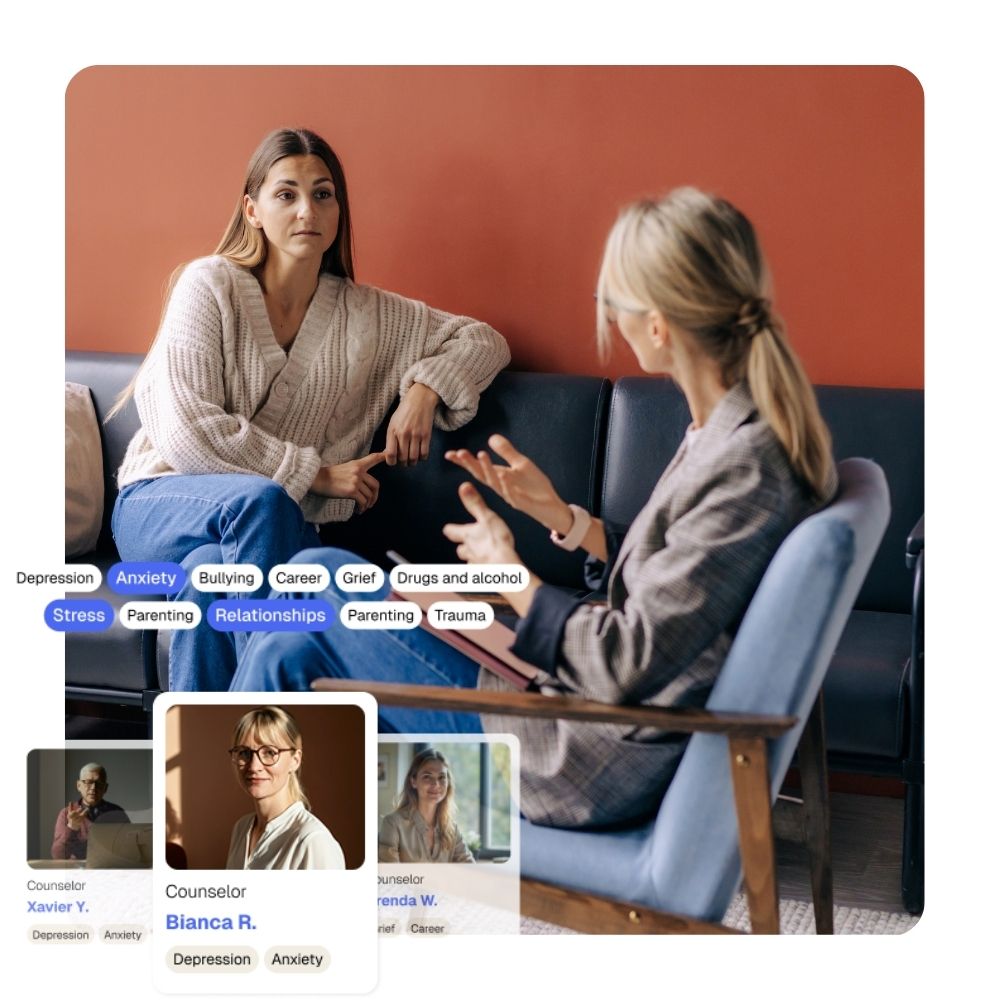
Breaking down stigma
We partner with organisations, not just provide a service. Helping reduce stigma and build mentally safer Australian workplaces.
Confidentiality and security
SOC 2 security for every client, big or small, because trust, not the platform, is what keeps people from reaching out.
Built from lived experience
Where it started
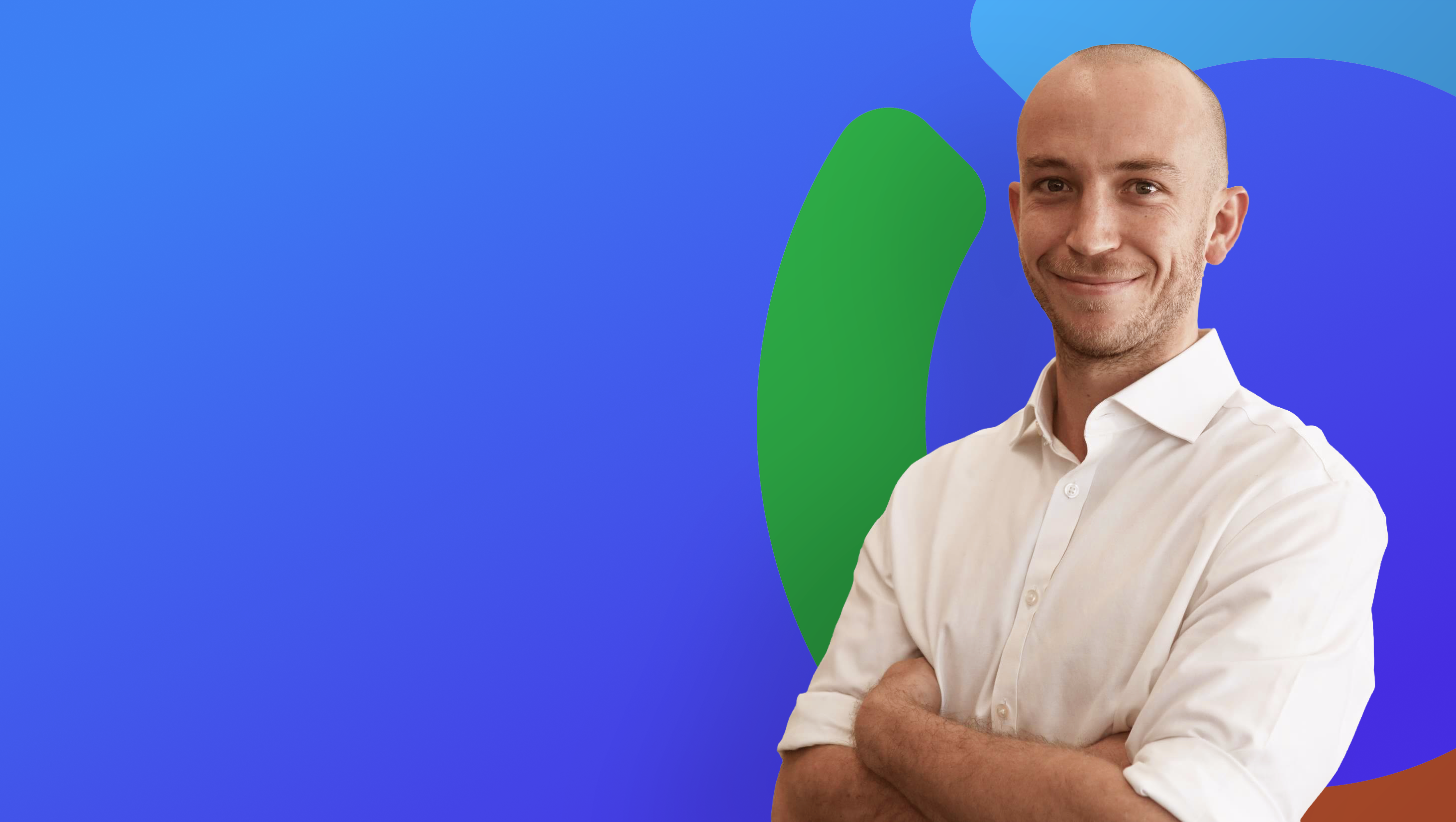
Joel was managing a large team under heavy deadline pressure when he burnt out. His workplace's EAP took three weeks to book him in, and the counsellor wasn't even the right fit.
The real failure wasn't the wait; it was a system built to react, with nothing in place to catch the burnout before it happened.
Joel's experience isn't unique, and it's exactly why we built Foremind - so nobody ever falls into that same gap again.

.svg)
Why this matters now
Mental health at work is shifting, from a wellbeing perk to a core part of workplace safety.
Psychosocial risk is now treated the same way as any other workplace hazard, and nowhere is that shift more urgent than in Australia's highest-risk industries.
Some industries feel it first. Teachers absorbing difficult conversations before walking into the next class. Aged care staff carrying grief shift after shift. Construction crews facing some of the highest psychological risk of any industry.
But no matter your industry, we're here to help you get ahead of it.
Support your team will use.
Compliance your business needs.
See how utilisation and compliance work together, for your team specifically.
Book a demo →.png)
Leadership team
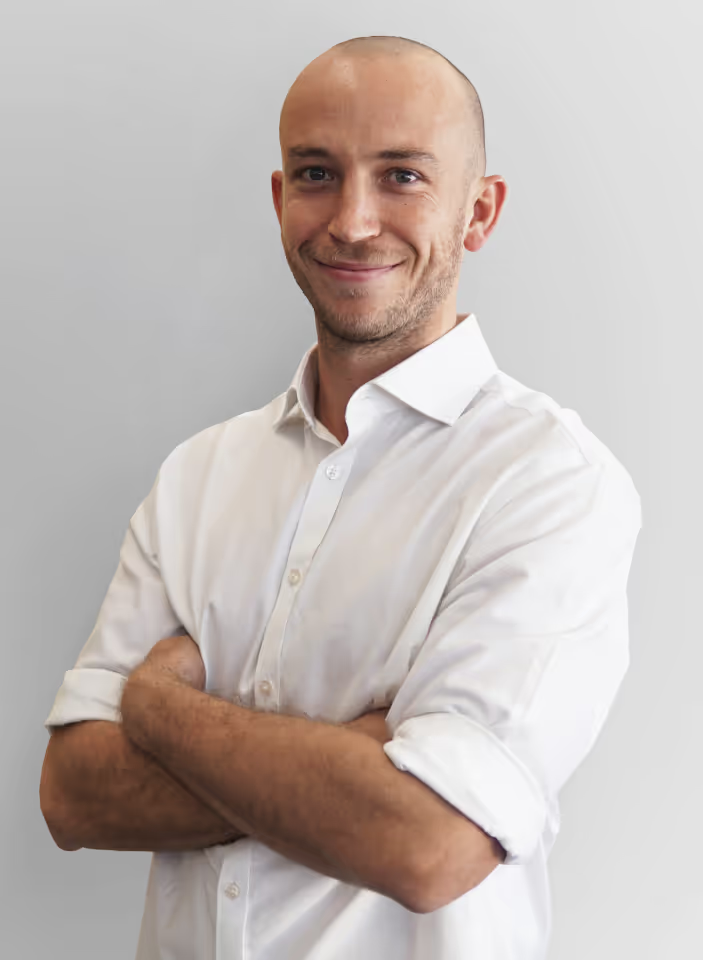
Joel Anderson
Founder & CEO
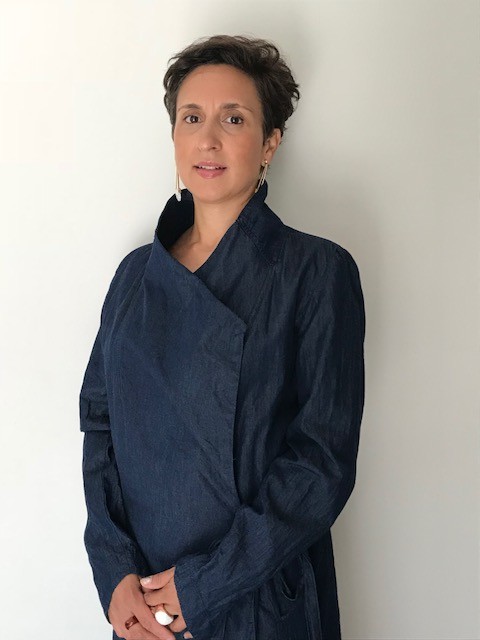
Natalie Rouillon
Head of Psychosocial Safety
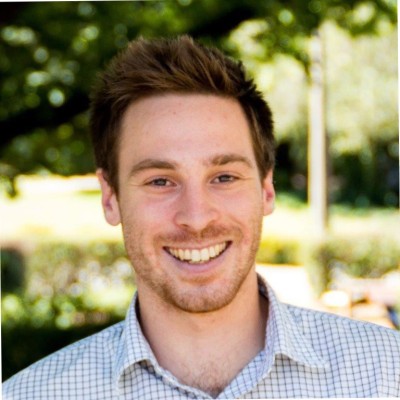
Ben Vonthethoff
Head of Growth Marketng
Investors & board

When we first backed Joel in 2022, we saw extraordinary potential in both the founder and Foremind's mission. Two and a half years later, that early belief has been validated many times over. This third investment reflects our continued confidence not just in Foremind's impressive expansion into new SME sectors, but in Joel's outstanding leadership as he scales the product, team, and impact across new markets.
Maxine Lee, Investment Director at Skalata

We’re excited to invest in the Foremind team as they tackle a clear gap in workplace mental health. Foremind have found a significant opportunity in industries, like construction, healthcare and education that have been underserved by traditional tools, where workers face high stress but have limited access to support.
Adam Milgrom, Partner at Giant Leap

Our journey with Foremind began by supporting Joel Anderson as a Snow Entrepreneur, providing wraparound support and growth grant funding for their life-changing work. Foremind has made tremendous progress, and we are excited to now invest in their next phase of growth and impact. We can’t wait to see Joel and the skilled, dedicated team at Foremind continue to make a significant difference in ensuring psychosocial safety and mental health support for workers in all businesses.
Georgina Byron AM, CEO of Snow Foundation
Answers to the frequently asked questions.
Email us at enquiries@foremind.com.au and we'll get back to you quickly with a response
No. An EAP is a control measure, and a valuable one, but it only addresses harm after it has occurred. It doesn't identify hazards, assess risk, or evidence that controls are working.
Australian WHS law requires you to identify psychosocial hazards, assess the risk, control it so far as is reasonably practicable, and review whether those controls are working — with documented evidence at each step. Offering counselling on its own leaves three of those four steps undocumented.
Foremind covers both in one platform. See how the compliance side works in our product tour.
Yes. Psychosocial risk obligations apply regardless of organisation or business size, and Foremind is built to make compliance simple without enterprise-level complexity.
Not counselling — making sure people are safe, communicating honestly, connecting staff to support, and monitoring the team over following weeks. Managers are affected too, and are often overlooked in the response.
Nothing that could identify anyone. All counselling is completely confidential and all reporting is anonymous - you'll never see who booked, when, or what was discussed.
What you do see is the aggregated picture: how many people are using it, what psychosocial risks are prevalent in the business, and which teams are under pressure. Enough to know the investment is working and where to act, never enough to identify a person. Reporting thresholds mean small teams can't be reverse-engineered from the data.